


The differences between gratuity and bonus
The terms gratuity and bonus are often used interchangeably in the world of work, but there are clear differences between them that are equally important for employees and employers.
This article explains the relevant differences: both for employees who want to know whether they are entitled to a special payment and for employers who are planning the correct structure of such payments.
What does gratuity mean? Definition
The bonus is an additional, voluntary special remuneration that an employer pays over and above the regular salary. It is often linked to special occasions, such as Christmas, anniversaries or vacations. It is used to reward employees for their performance or loyalty to the company. A bonus thus serves as an appreciative signal that increases both motivation and loyalty. employee loyalty can be strengthened.
Gratification: meaning and origin
The word “gratification” is derived from the Latin term gratificari, which means “to do something good” or “to do a favor”. The very origin of the term makes it clear that gratification is not only about financial aspects, but also about the emotional value associated with this gesture.
Nowadays, gratuity is used in many companies as a means of recognition and appreciation. It can give employees the feeling that their performance is seen and appreciated, thereby promoting a positive working atmosphere and corporate image.
Gratuity in employment law
The bonus is generally considered a voluntary benefit of the employer company, unless it is explicitly stipulated in an employment contract, collective agreement or works agreement. Employers therefore have a great deal of leeway.
Important to know: Repeated, unconditional payments over several years can give rise to legal claims. This is known as company practice. After the third year of regular bonus payments, employees may therefore be able to sue to continue receiving such special remuneration in the future.
If desired, employers should therefore always ensure that a voluntary clause is communicated in the case of bonuses. A clear and transparent regulation helps to avoid misunderstandings and legal disputes.

Examples of bonuses
Gratuities can take many different forms. We explain some of the most common forms that are frequently used in practice:
Classic bonuses in everyday working life
- Christmas bonus:
One of the best-known bonuses that often serves as additional motivation for employees during the Christmas period.
- Vacation pay:
This payment is intended to help employees cover vacation costs and is often paid out before the summer months.
- Anniversary payments:
Companies reward employees who have been with the company for many years with cash bonuses or gifts in recognition of their loyalty.
Benefits in kind as a bonus
Money is not the only form of gratuity. Many companies rely on non-cash benefits that offer an additional incentive:
- Vouchers for restaurants, retail outlets or online stores.
- Additional vacation days as a reward for special achievements.
- Company-owned products or services, such as free software usage.
Target-based bonuses
In performance-oriented companies, bonuses are often linked to specific targets. Examples of this are
- Project bonuses for successfully completed projects.
- Departmental bonuses that are linked to the turnover or increased efficiency of a department.
What is the difference between gratuity and bonus?
Although gratuities and bonuses are often mentioned in the same breath, there are significant differences between the two concepts.
Voluntariness versus obligation
A bonus is generally voluntary. Even if it is paid regularly, the decision on the amount and payment lies with the employing company.
The bonus, on the other hand, is often treated as a contractually agreed component of remuneration. The amount and conditions are usually set out in the employment contract or in bonus agreements, which makes the bonus more legally binding.
Purpose and occasions
A bonus is usually granted in recognition of loyalty to the company or special occasions (e.g. Christmas).
In most cases, a bonus is performance-related and linked to the achievement of certain targets, such as sales or profit targets.
For example, an employee can receive a Christmas bonus as a thank you for her work in the company (gratuity) and a target achievement bonus if an agreed sales target is exceeded (bonus).
Is a bonus tax-free?
For many employers, the question arises: Do special bonuses have to be taxed? Or are there ways to make bonuses tax-free?
The answer depends on various factors, in particular the form of the bonus, the amount of the payment and the underlying legal regulations. Employers and employees should therefore familiarize themselves with the tax framework in advance.
Tax treatment of bonuses
In most cases, bonuses are considered part of income and are therefore taxable. This means that both wage tax as well as social security contributions.
Particularly in the case of higher bonuses, it is advisable to plan ahead, as the additional tax burden can significantly reduce the net amount for the employee. At the same time, however, there are ways to reduce the tax burden by opting for tax-free alternatives.
Tax-free bonus: examples
There are a number of special regulations that allow tax-free benefits:
- Vouchers:
Up to a value of €50 per month, benefits in kind such as vouchers can remain tax-free.
- Workplace health promotion:
Subsidies for fitness courses, massages or other measures can be granted tax-free up to €600 per year.
- Childcare allowances:
Childcare costs can be covered tax-free under certain conditions.
By using such alternatives, companies can reward employees without both sides being excessively burdened by taxes and duties. This increases the efficiency of the gratuity and increases the benefits for all parties involved.
Bonus: Small but significant differences to other bonuses
Understanding the differences between gratuities, bonuses and profit-sharing will help you choose the right strategy for special remuneration. Especially when it comes to contractual and legal issues, both employers and employees should be aware of the conditions that apply to each of these payments.
The unclear distinction between gratuity and bonus can trigger legal disputes or lead to misunderstandings. One example: If a bonus is described as a gratuity even though it is linked to certain key performance indicators, a claim for payment could arise even if the service was not rendered.
Bonus versus profit-sharing
Profit-sharing is directly linked to the economic performance of the company. It is often calculated as a percentage of profit or turnover and reflects the success of the business.
In contrast to this is the bonus: it is not necessarily linked to business figures, but is usually paid out of personal appreciation or as an incentive for loyalty to the company, whereby the amount is usually at the discretion of the employer and can be based on individual performance or length of service.
Bonus and statutory special payments
There is another important difference between voluntary bonuses and statutory special payments, such as the 13th month’s salary. While the latter are prescribed by contract or collective agreement and constitute a fixed entitlement, bonuses are at the discretion of the employer.
Inflation adjustment premium and special payments in times of crisis
In times of crisis, such as during the COVID-19 pandemic or in the face of rising inflation, special payments such as the inflation compensation premium comes into play. The tax-free bonus enables employers to ease the financial burden on their employees without having to pay additional tax and social security contributions. The inflation compensation bonus could be granted up to an amount of €3,000 and was valid until the end of 2024 (Section 3 no. 11c EStG).
Companies used this bonus to offset the increased cost of living for their employees and at the same time strengthen their loyalty.
Conclusion: Gratification as a popular means of retaining employees
Special payments such as Christmas bonuses, performance bonuses or inflation adjustment bonuses are helpful ways of retaining employees and increasing their motivation.
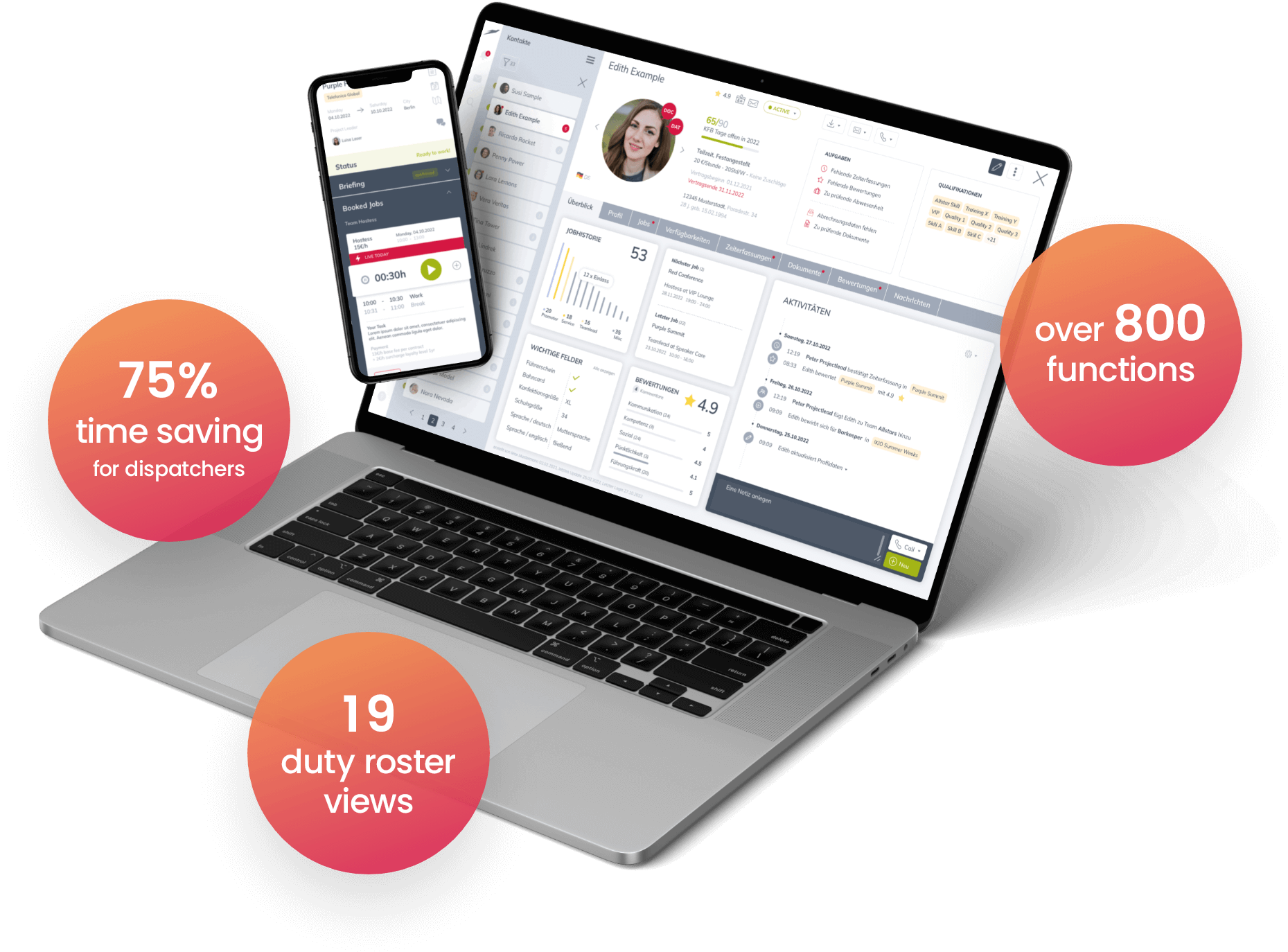
But successful employee retention requires more than financial incentives. Transparent communication, efficient resource planning and a centralized employee portal can also be crucial in creating a positive working environment. This is where Teamhero comes in:
With functions such as communication, an employee database and an intuitive employee portal, Teamhero offers the perfect basis for strengthening employee satisfaction and loyalty in the long term.
Disclaimer
Please note that the texts on this website and the related contributions are provided for general informational purposes only and do not constitute tax or legal advice in the proper sense. For individual cases, we always recommend seeking specific legal advice tailored to the circumstances of the situation. The information is provided to the best of our knowledge and belief, without any guarantee of accuracy, completeness, or validity.