


These 10 measures help with personnel marketing
Nowadays, qualified talent is increasingly in short supply in many sectors. This makes it all the more important to position yourself as an attractive employer. This is where personnel marketing comes in – an area of human resources management that goes far beyond the mere recruitment of personnel.
Below we list the measures that should not be missing from your personnel marketing. But first the basics.
Personnel marketing definition: What is personnel marketing?
HR marketing is a crucial part of personnel management. It aims to paint a positive and inviting picture of the company. The aim is to attract qualified and committed employees and retain them in the long term.
Employer branding, in turn, is an essential component of HR marketing and refers to the development and maintenance of a strong employer brand. This involves communicating the values, culture and unique benefits of the company in order to stand out from other employers.

The goals of personnel marketing
At its core, personnel marketing is about two main aspects: The acquisition and retention of personnel.
External personnel marketing: recruiting new employees
External HR marketing focuses on attracting new employees and positioning the company as an employer. This includes image campaigns and recruiting to strengthen the employer brand and increase awareness of the company.
In this way, companies aim to attract qualified talent and recruit them as employees, thereby increasing their attractiveness as an employer and reducing recruiting costs.
Internal personnel marketing: retaining and motivating employees
Internal HR marketing aims to retain and motivate current employees in the long term. This begins on the first day of work with structured onboarding. Other options include the promotion of employee needs and further training.
The aim is to achieve the emotional and long-term loyalty of employees and to train potential junior managers from within the company’s own ranks.
How does personnel marketing work?
HR marketing uses a variety of tools to achieve its goals. These include, among others:
- For internal marketing: building a welcoming culture, promoting employee loyalty through a wide range of tasks, transparent communication, material and immaterial incentives as well as training and development opportunities.
- For external marketing: image campaigns, active recruiting, building a talent pool, participating in job fairs and optimizing the candidate experience.
What characterizes successful personnel marketing
Addressing specific target groups
Successful HR marketing requires precise knowledge of the target group. Companies need to understand what motivates potential and current employees and how they can best be reached.
Unique employer brand (employer branding)
A strong and differentiated employer brand is crucial to stand out from the competition. This includes communicating the company’s values, culture and unique benefits.
Innovative recruitment strategies
The use of modern recruitment methods, such as social media recruiting and employer branding campaigns, is crucial today to really attract the attention of talent.
Internal personnel marketing measures
In addition to recruiting new employees, it is important to retain and motivate existing employees. This includes measures such as employee development, recognition and a positive corporate culture.
Analysis and adaptation
Successful HR marketing requires continuous analysis and adaptation of strategies and measures in order to be able to react to changes in the labor market and the needs of employees.
Challenges in personnel marketing
Adapting to change
The labor market and employee expectations are constantly changing. Companies need to be flexible and continuously adapt their HR marketing strategies.
Integration of new technologies
The integration of technologies such as AI and data analytics into the recruitment process can be a challenge, but also offers opportunities for more efficient and effective processes.
Variety of channels
The large number of available recruitment channels requires a targeted selection and combination in order to reach the target group effectively.
Measuring success
Defining and monitoring key performance indicators (KPIs) is crucial for measuring and optimizing the success of HR marketing measures.
10 personnel marketing measures for more success
In order for recruitment marketing to achieve the desired results, methods should be chosen that suit the company and the target group. They should appeal to genuine feelings and make it clear what makes the company special. Ten possible approaches are:
- Career website optimization:
The career website is often the first point of contact for potential applicants. A user-friendly, informative and attractively designed website can pique the interest of talent and encourage them to apply. - Mobile recruiting:
As more and more people use smartphones, it is important that the career website and the application process are mobile-friendly. Mobile recruiting allows applicants to apply easily and conveniently via their mobile device. - Use of social media:
Platforms such as LinkedIn, Xing, Facebook and Instagram offer excellent opportunities to get in touch with potential candidates and strengthen the employer brand. Companies can present their culture, values and vacancies here. - Employee referral programs:
Employees can act as brand ambassadors and recommend qualified candidates from their network. Referral programs can be supported by incentives such as bonuses or rewards. - Employer branding:
A strong employer brand helps to position a company as a great place to work. This can be done through targeted marketing campaigns, storytelling and highlighting unique company characteristics. - Job fairs and career events:
Participation in job fairs and career events offers the opportunity to make direct contact with potential applicants and present the company. - Further training and development opportunities:
Offering further training and development opportunities can be beneficial both for employee retention and for the company’s own attractiveness. - Flexible working models:
Flexible working hours, home office options and other flexible working models can increase employer attractiveness and contribute to employee satisfaction. - Onboarding process:
A structured and inviting onboarding process helps new employees to quickly find their way around the company and feel welcome. - Feedback culture and employee appraisals:
Regular feedback meetings and an open communication culture help employees to feel valued and remain committed.
It is important for us to mention at this point: Sustainability and social responsibility are becoming increasingly important for employer attractiveness. Companies that integrate these values into their culture and actively communicate them can position themselves as responsible employers. This is particularly appealing to the younger generation of employees who value social and environmental responsibility.
Conclusion: Addressing applicants better with HR marketing
Good HR marketing measures are an absolute game changer. In addition to attracting new talent, it is also about creating an environment in which employees feel valued and want to remain committed in the long term. The measures presented, from optimizing the career website to establishing a strong feedback culture, are essential to be successful in today’s dynamic working world.
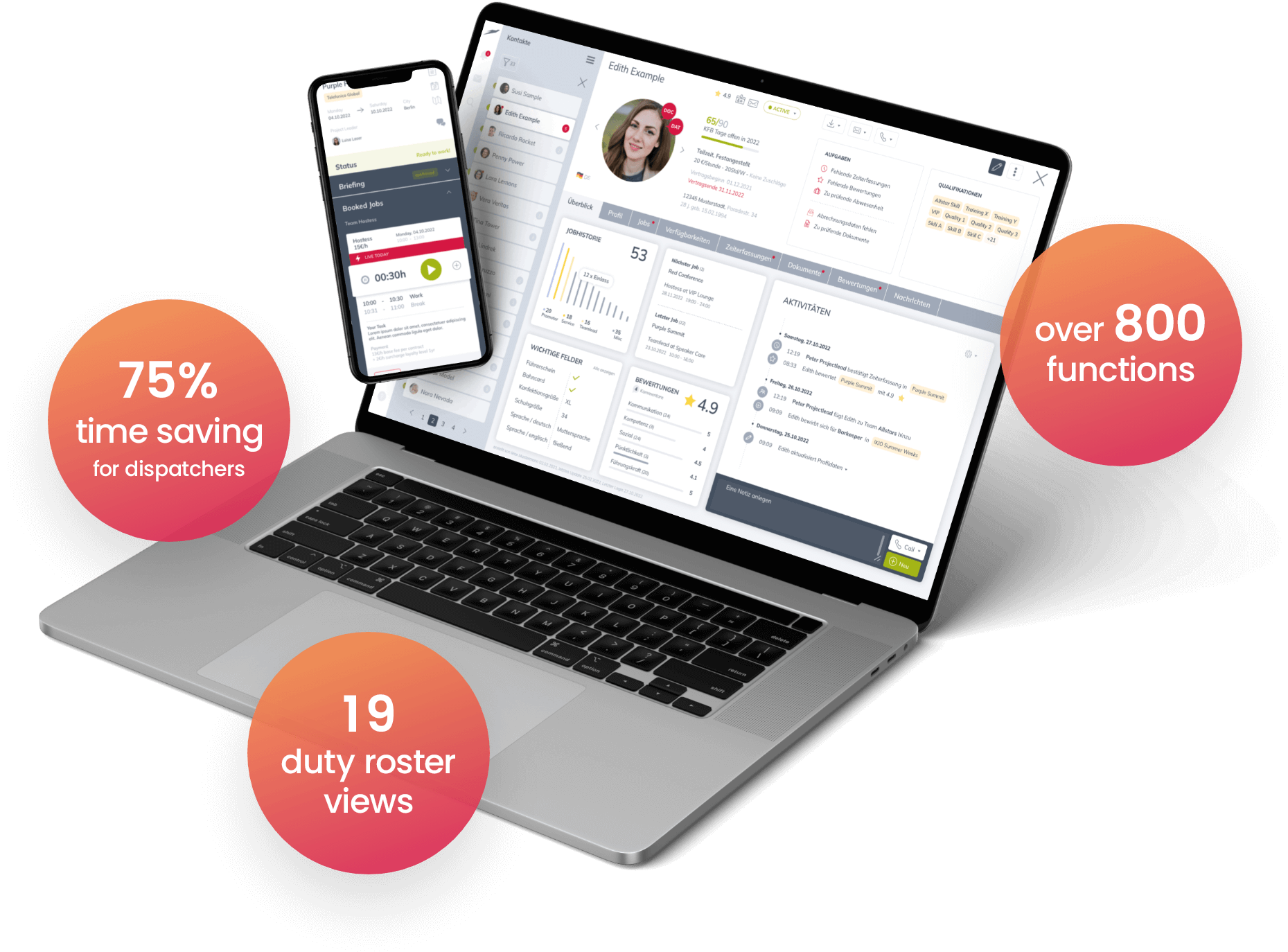
The personnel management software Teamhero offers a comprehensive solution for applicant managementwhich enables companies to optimize the entire recruitment process. With Teamhero, you can not only optimize the application process, but also create a seamless onboarding experience for new employees.
Invest in your HR marketing and experience how Teamhero can improve your HR processes. You are welcome to form your own opinion based on our Demo.