The recording of working time is not yet tied to a fixed form, which is why various forms of time recording are practiced and possible.
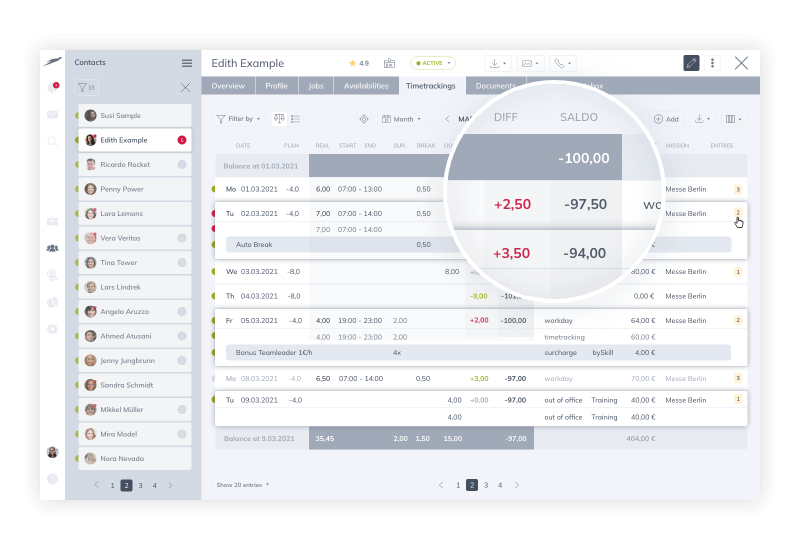
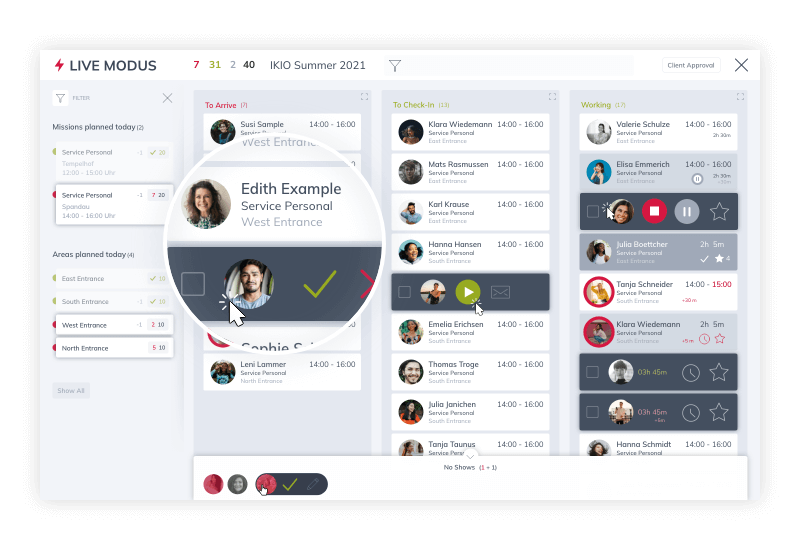
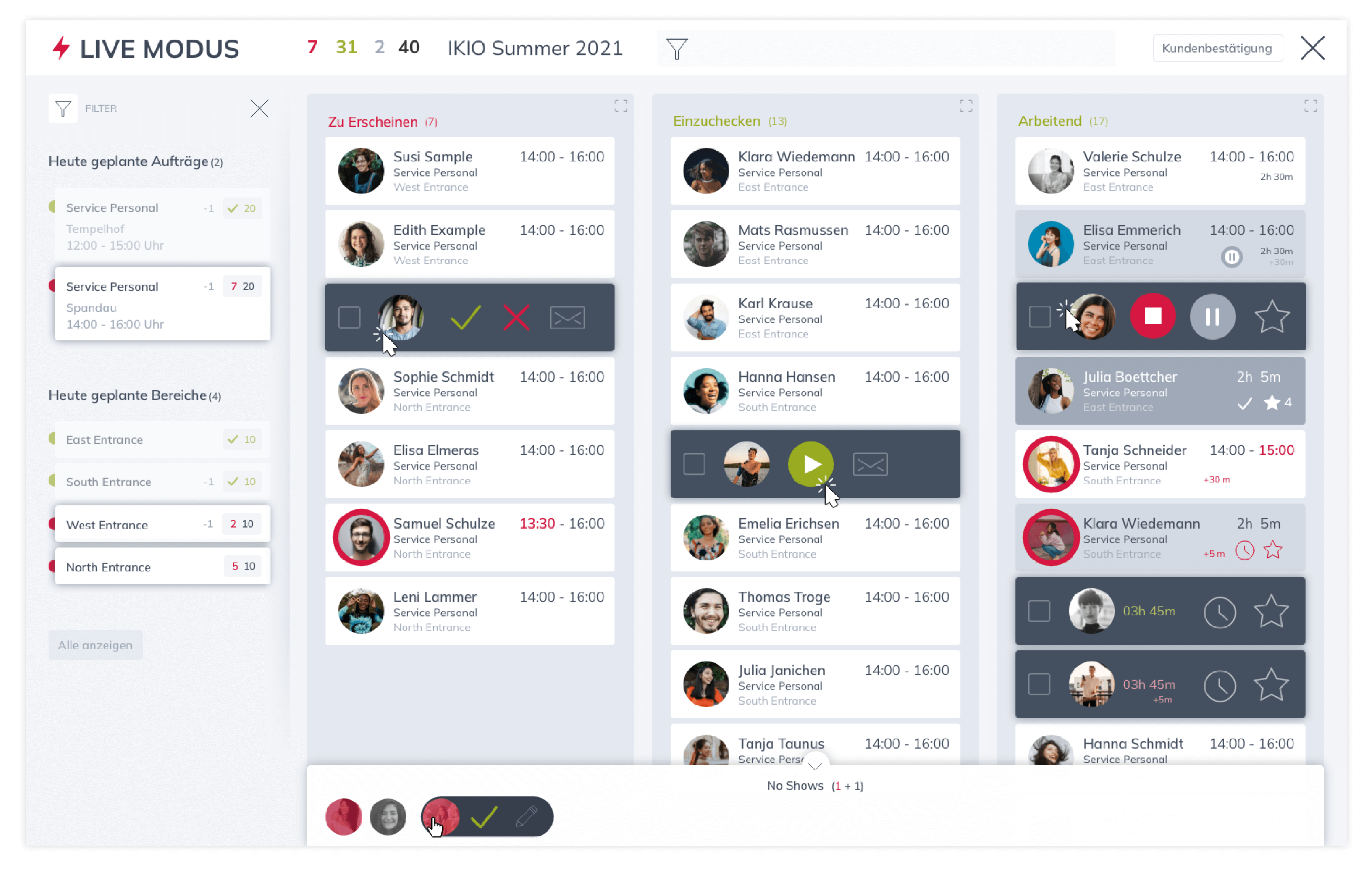
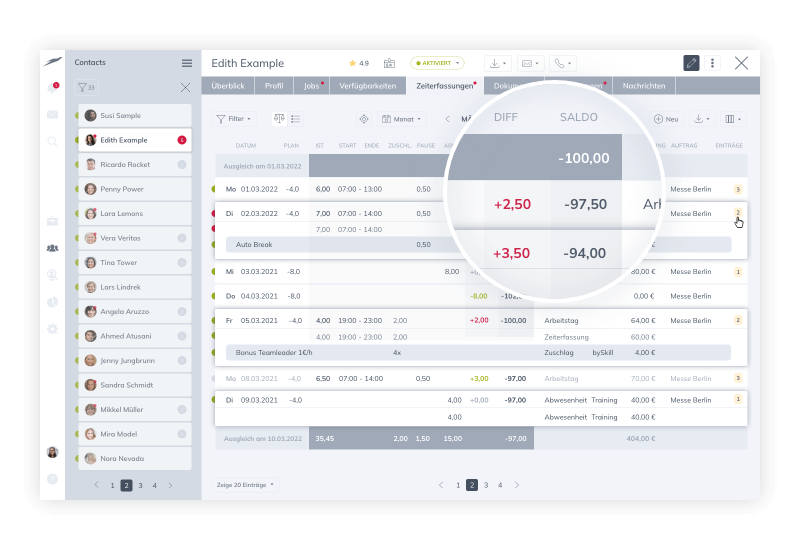
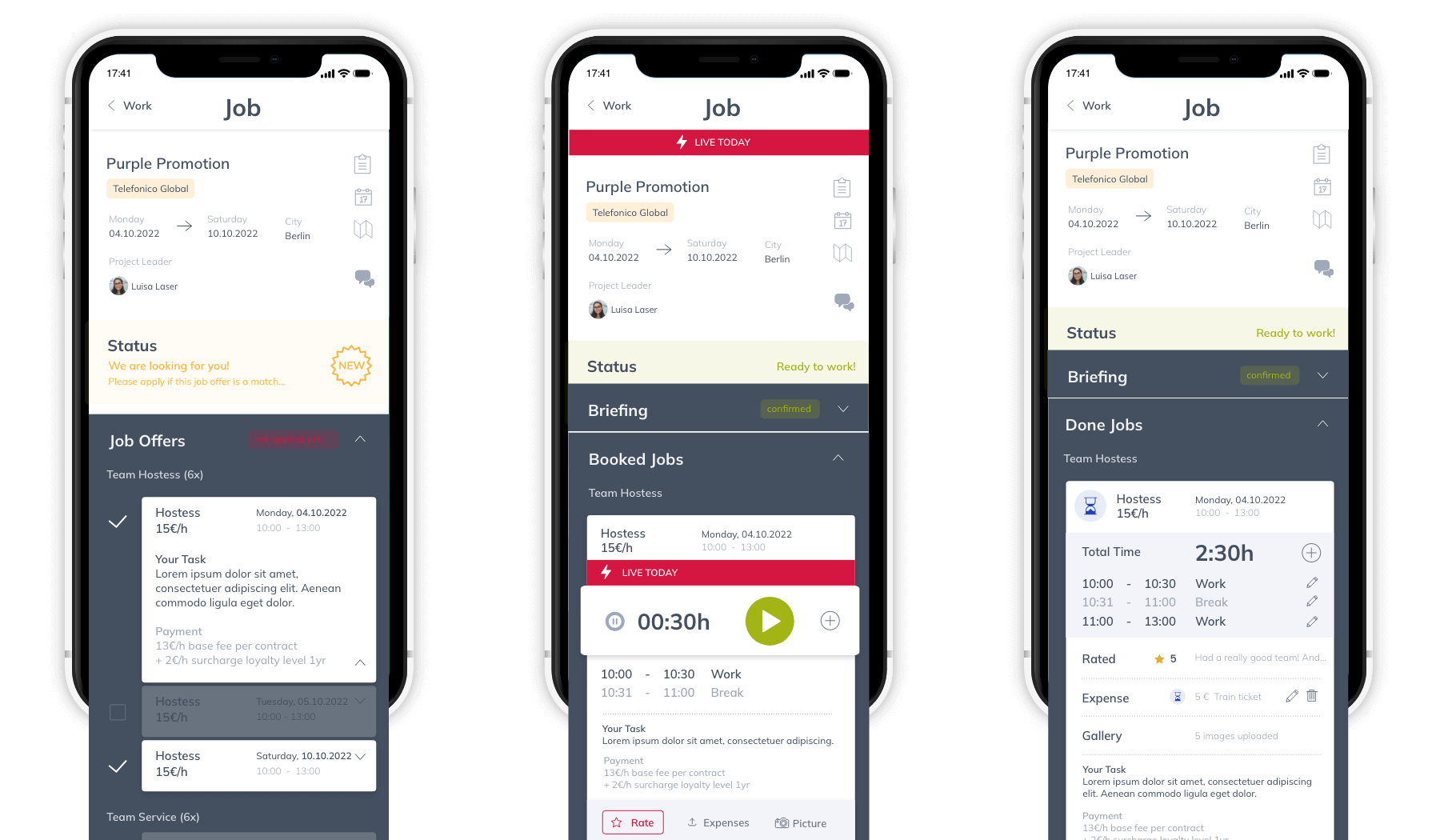
Digital, e.g. with Teamhero:
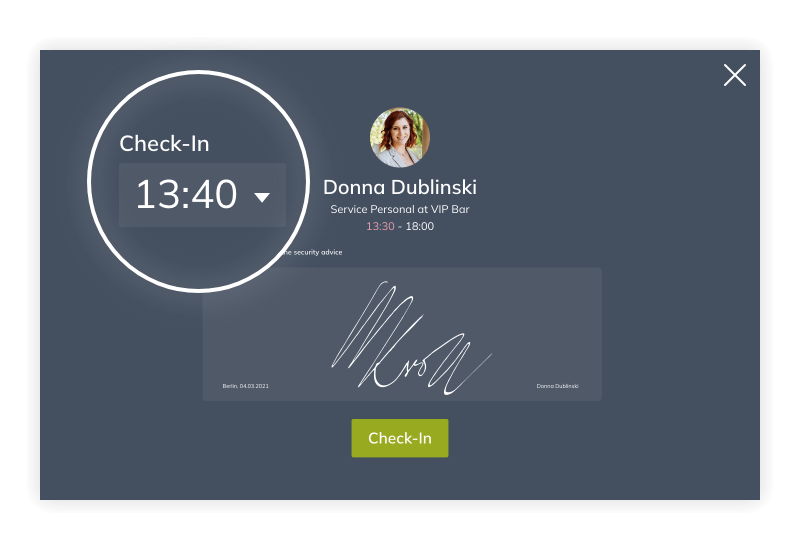
Digital time recording via PC, smartphone, tablet and apps. Employees log in and out of work at the click of a mouse on their computer or via an app on their smartphone. Such an electronic system can also be used for mobile working, working from home and teleworking.
Terminal:
Login and logout via a stationary terminal (usually in the entrance area of the company). This system is independent of the employees’ computers, but can often be linked to them via a desktop application if this is desired by the employees. Registration at the terminal is often done by card, chip, smartphone or fingerprint. Strictly speaking, it is an attendance registration, as the start of work only takes place after registration and the end of work before checkout. If employees have to walk long distances or put on work clothes before starting work, it is quite possible that the employer “gives away” a few minutes each day.
Old school:
Time recording with timesheets or Excel spreadsheets is of course also possible. No separate system is required for this and it is therefore a cost-effective option, although it also harbors some sources of error. Hand timesheets generate a lot of paperwork that may have to be transferred to a digital system.
This means twice the time is spent and there is a risk of human error when entering data. Maintaining Excel spreadsheets also has disadvantages, such as possible errors and transposed figures when entering working times, a lack of control options and easy manipulation for both sides.
The classic time clock or punch clock can also still be used for time recording, but systems for digital data processing and data management are on the rise.